
ZUN EVERY LOAD
Regulated Asset Movement & Memory
The information layer for the regulated physical world. Connecting the living information created by physical nodes across the network.
The Challenge
THE PHYSICAL ECONOMY HAS A DATA PROBLEM.
THE ENERGY MOVES FAST. THE DATA FLOW DOESN'T. HISTORY GETS BURIED.
The Opportunity
The Energy Industry Moves The World.
ZUN digitally connects what already exists, keeping information tied to its source, context, and history—creating a living network of trusted information.
Information Source
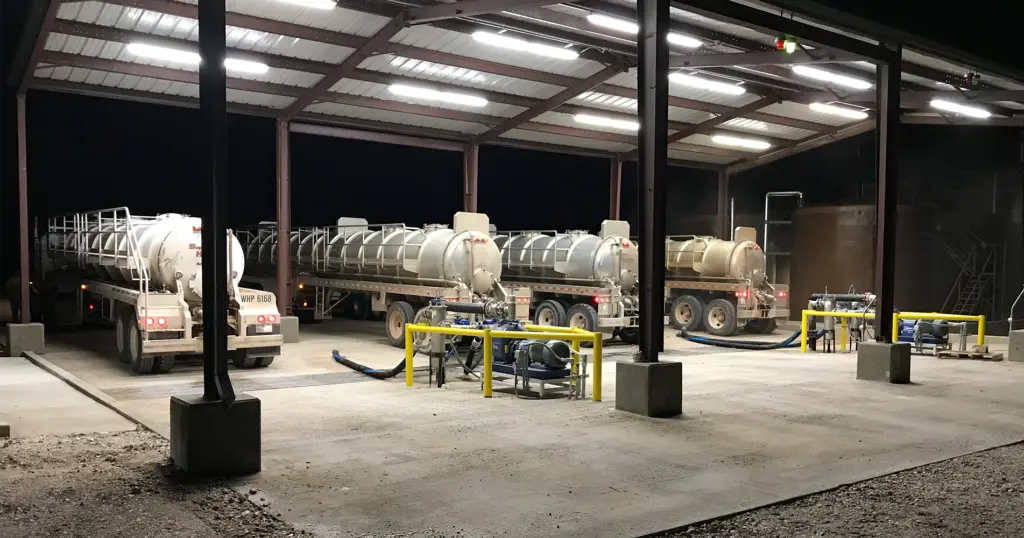
The Physical Economy Has A Data Problem
Energy is always moving.
But information is often delayed, manually entered, fragmented—and separated from the physical movement that created it.
- 71 MILLION BARRELS/day of produced water are generated every day across the United States. The Permian alone accounted for 22 million barrels per day (DOE 2025).
- CONTINUOUS FLOW - saltwater collection from fragmented well locations is a continuous physical activity, creating continuous data information.
The information infrastructure connecting what moves through the physical economy should be accurate, connected to its origin, and never lost.
Information Source
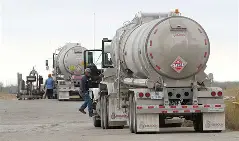
Barrels Move. Information Follows.
Crude moves continuously through a vast network of producers, gathering systems, trucks, pipelines, storage facilities, terminals, and refineries.
- 5 BILLION BARRELS A YEAR. U.S. crude oil production averaged 13.6 million barrels per day in 2025.
Every movement creates information
Every transfer creates history.
Living data keeps that data connected to the physical event.
Information Source
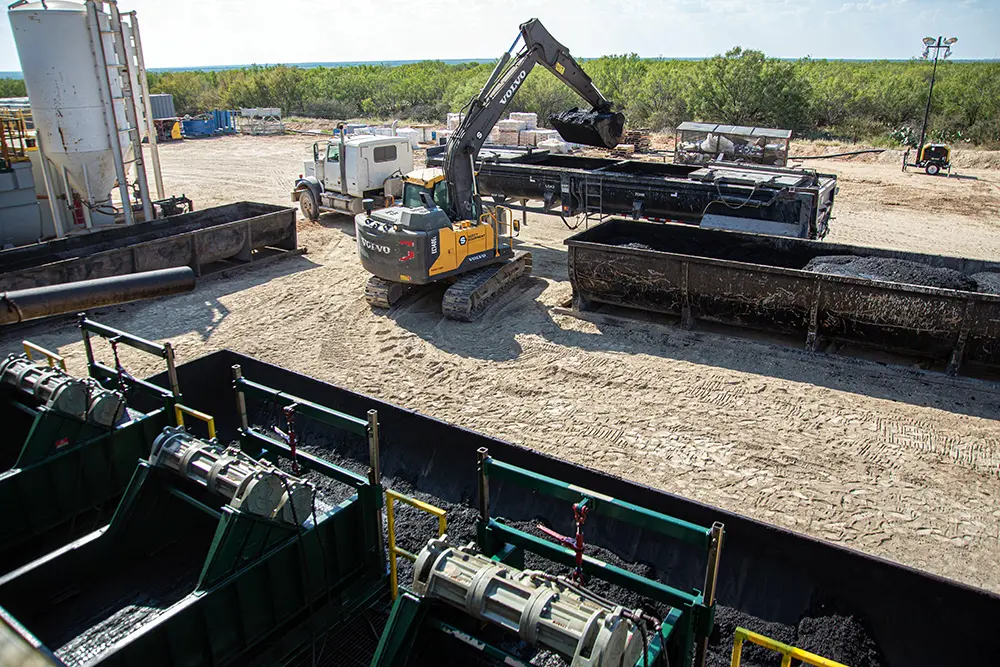
Waste Moves. Responsibility Follows.
Drilling creates more than hydrocarbons.
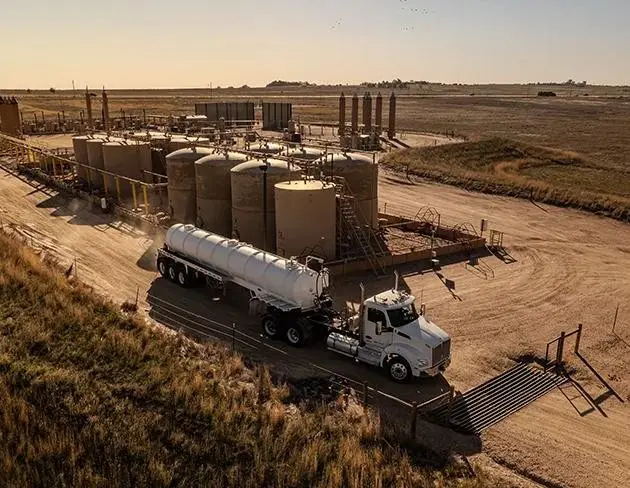
Cuttings, fluids, sludges, and other regulated materials move from the wellsite through a network of haulers, facilities, treatment, reuse, and disposal.
Every movement creates information.
Where it came from.
What moved.
How much moved.
Who handled it.
Where it went.
What happened next.
The physical material moves through the network.
The information should move with it.
Information Source
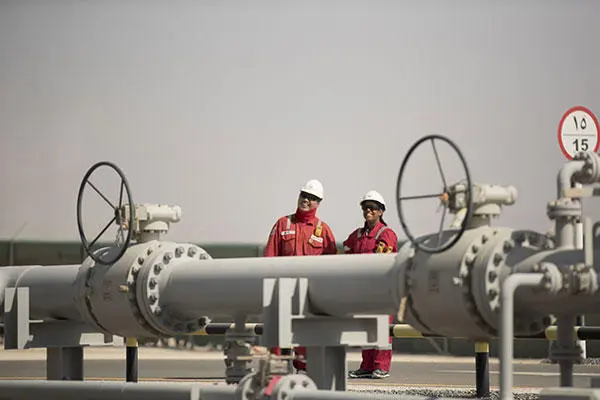
Mission-Critical. So Is The History.
Critical infrastructure depends on accurate maintenance records.
- What was inspected.
- What was repaired.
- What was replaced.
- When it happened.
Living data captures the event when it happens—and keeps critical asset history connected, accessible and trusted.
One Physical Economy
Many Connected Financial Histories.

Barrels Move. Royalties Wait.
Oil moves continuously. Yet the information behind production, volume, ownership and royalty accounting settlement can still depend on legacy reporting and reconciliation.
- $93 BILLION (Federal) Federal oil & gas cumulative royalties FY2014–FY2024, after subsequent adjustments.
- $71 BILLION (Private) U.S. oil & gas royalty payments Estimated 2024
- $1.72 BILLION (PUF) University of Texas PUF Mineral Income, FY2025 — primarily oil & gas royalties, bonuses and related mineral income. The PUF supports the UT and Texas A&M systems ($40.3 billion in net assets in 2025)
Living data keeps the financial record connected to the physical event.
WHAT HAPPENS WHEN THE INFORMATION CREATED BY THE PHYSICAL EVENT REMAINS CONNECTED TO ITS FINANCIAL HISTORY?
The physical economy doesn’t create one financial record.
It creates many connected financial records.
ZUN Every Load
Every load creates a record.
- Where it came from.
- What moved.
- How much moved.
- Where it went.
- Who received it.
- Who receives the network data.
That history shouldn’t disappear between the physical event and the financial record.
ZUN keeps the information connected.
Movement Creates History
What information connects them?
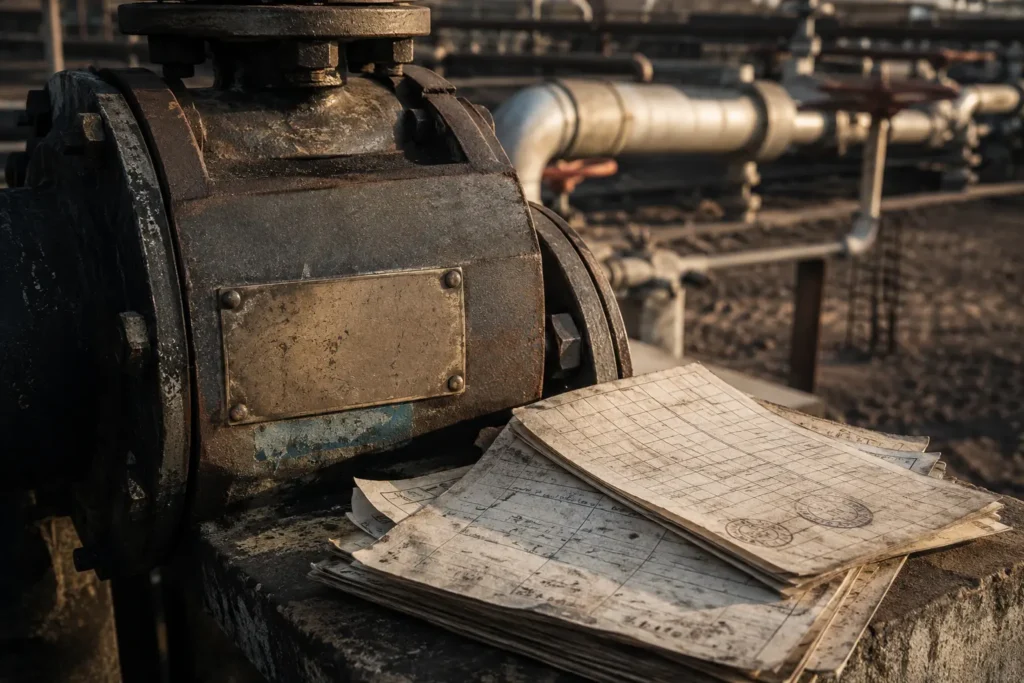
The physical economy has history. What it lacks is memory.
Critical assets live for decades. Their information rarely does. Records are created by many organizations, stored in many formats, and separated by changes in ownership, systems, and time.
The result is a physical economy rich in experience but poor in continuity. Decisions are repeatedly made without the full history of the asset in view.

History should persist.
The digital economy was built to remember. The regulated physical world was not. Its history is distributed across operators, contractors, regulators, documents, databases, and generations of technology.
- REGULATED NETWORK
- ONE LOAD CREATES A RECORD.
- CONNECTED LOADS CREATE A NETWORK.
ZUN believes this world needs a trusted information layer—one capable of preserving fragmented history as connected data without replacing the systems and institutions already responsible for it.
Trusted governance for the things that endure.
ZUN reflects an ancient idea of respect, stewardship, and trusted governance—a principle that what matters should be cared for and preserved.
- Connect the information created by every physical event.
That is the principle behind the network: important information should remain connected to the physical assets, events, and decisions that gave it meaning.
Not another system of record.
A durable layer of memory for infrastructure built to outlast platforms, projects, and market cycles.
The Energy Industry Is A Water Industry
Most people simply don't see it.

Water Is Moving In Two Directions.
Freshwater is being withdrawn.
Produced water is being injected.
Wells → pipelines → treatment → trucks → tanks → recycling → permits → operators → transactions
The physical movement creates information at every step. The information connecting those physical flows needs to be endured.

The Well Remains.
Assets change hands.
Operators change.
Markets change.
- The physical node remains.
A well may eventually become a funding problem.
But before that, it is an information problem.
What should the physical world remember?
Every movement creates history.
DIFFERENT EVENTS. SAME INFORMATION PROBLEM.
Regulatory data needed to regulate oil & gas activity is one piece of the larger physical network history.
Every network creates information. ZUN begins with a question.
What happens when that larger physical network is connected?
If you see a future in that question, we would like to hear from you.