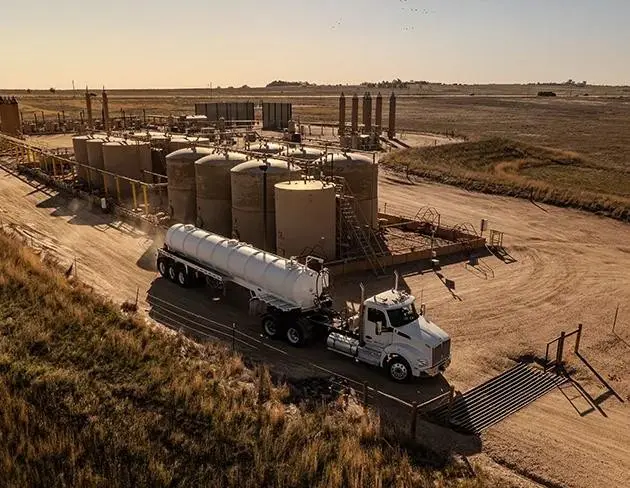
But information is often delayed, manually entered, fragmented—and separated from the physical movement that created it.
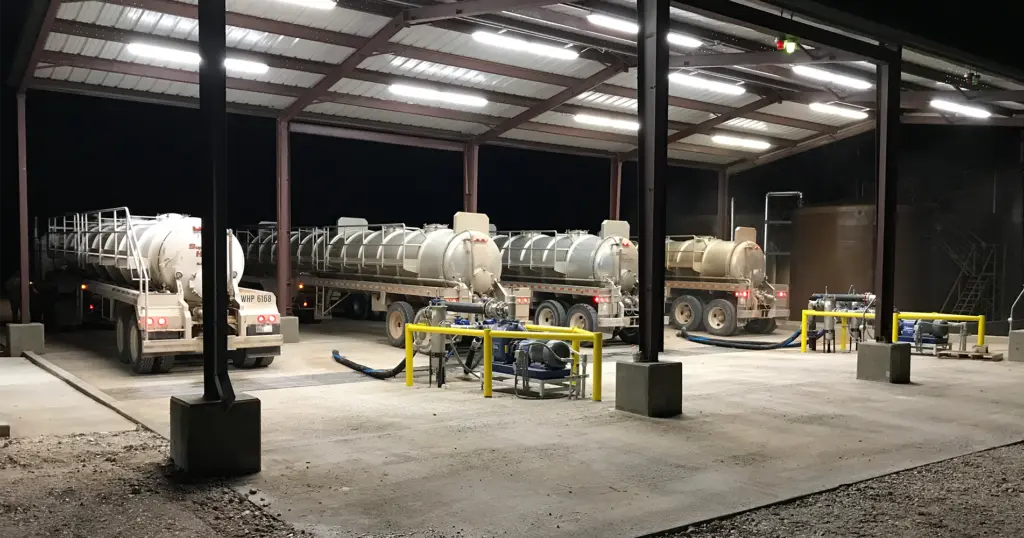
71 MILLION BARRELS/day of produced water are generated every day across the United States. The Permian alone accounted for 22 million barrels per day (DOE 2025).
CONTINUOUS FLOW - saltwater collection from fragmented well locations is a continuous physical activity, creating continuous data information.
The information infrastructure connecting what moves through the physical economy should be accurate, connected to its origin, and never lost.
Information Source
Energy Crude
Barrels Move. Information Follows.
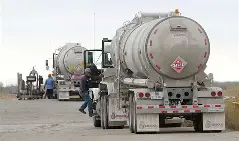
Crude moves continuously through a vast network of producers, gathering systems, trucks, pipelines, storage facilities, terminals, and refineries.
5 BILLION BARRELS A YEAR.U.S. crude oil production averaged 13.6 million barrels per day in 2025.
Every movement creates information
Every transfer creates history.
Living data keeps that data connected to the physical event.
Information Source
Energy-Drilling Waste
Waste Moves. Responsibility Follows.
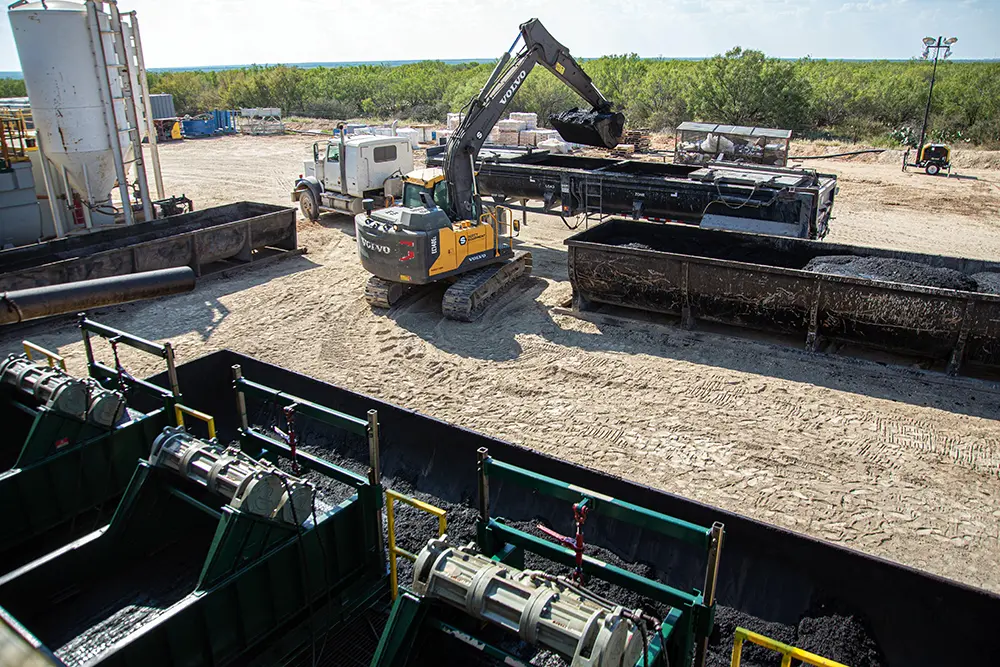
Drilling creates more than hydrocarbons.
Cuttings, fluids, sludges, and other regulated materials move from the wellsite through a network of haulers, facilities, treatment, reuse, and disposal.
Every movement creates information.
Where it came from. What moved. How much moved. Who handled it. Where it went. What happened next.
The physical material moves through the network.
The information should move with it.
04
Risk
Information Source
Risk
Mission-Critical. So Is The History.
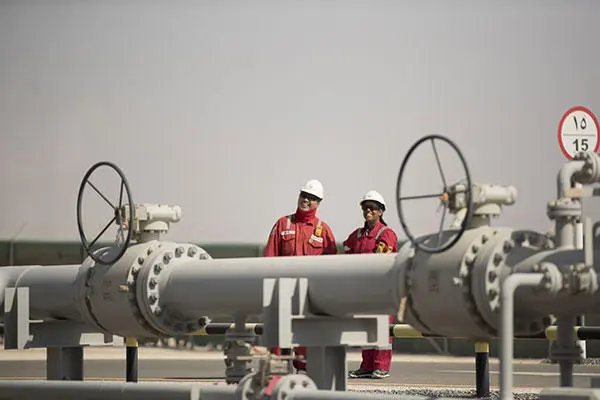
Critical infrastructure depends on accurate maintenance records.
What was inspected.
What was repaired.
What was replaced.
When it happened.
Living data captures the event when it happens—and keeps critical asset history connected, accessible and trusted.
One Physical Economy
Many Connected Financial Histories.
Financial
Barrels Move. Royalties Wait.
Oil moves continuously. Yet the information behind production, volume, ownership and royalty accounting settlement can still depend on legacy reporting and reconciliation.
$93 BILLION (Federal) Federal oil & gas cumulative royalties FY2014–FY2024, after subsequent adjustments.
$71 BILLION (Private)U.S. oil & gas royalty payments Estimated 2024
$1.72 BILLION (PUF) University of Texas PUF Mineral Income, FY2025 — primarily oil & gas royalties, bonuses and related mineral income. The PUF supports the UT and Texas A&M systems ($40.3 billion in net assets in 2025)
Living data keeps the financial record connected to the physical event.
WHAT HAPPENS WHEN THE INFORMATION CREATED BY THE PHYSICAL EVENT REMAINS CONNECTED TO ITS FINANCIAL HISTORY?
The physical economy doesn’t create one financial record.
It creates many connected financial records.
Financial
ZUN Every Load
Every load creates a record.
Where it came from.
What moved.
How much moved.
Where it went.
Who received it.
Who receives the network data.
That history shouldn’t disappear between the physical event and the financial record.