
Why ZUN?
Networks
Industries define markets. Physical events define the network.
Hyperscale Data Center
What's a NODE?
WHERE THE PHYSICAL WORLD MEETS THE NETWORK.
THE INFORMATION HAS A SOURCE.
WHERE DID IT COME FROM?
Every physical event creates information.
A pump produces.
A tank holds.
A meter measures.
A truck moves.
A transfer occurs.
Each event creates a record.
ENERGY MOVES THE WORLD.
INFORMATION CONNECTS IT.
ZUN
ZUN connects the information.

Every physical event creates information.
The physical economy is made of flows.
Flows create events.
Events create information.
ZUN connects the information.
Physical Node
Where the physical world meets the network.
PHYSICAL NODE → PHYSICAL EVENT → INFORMATION → NETWORK
Every physical event creates information. ZUN keeps it connected.

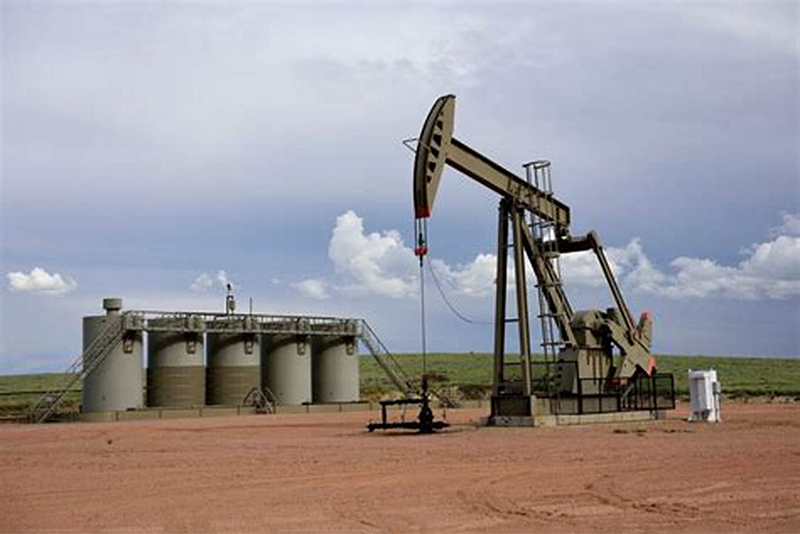
Well Node
Information Follow.
Wells create a continuous stream of physical events — production, measurement, gathering, transfer, and custody.
- ASSETS - Wells · Tanks · Meters · Pipelines
- ACTIVITIES- Production · Service · Measurement · Transfer · Custody
- INFORMATION - Origin · Volume · Time · Movement · Destination
- Energy / Production / Transfer
- Service / Produced Water / Crude
- Chemicals / Waste / SWD /Reuse
Water Node
Systems Connect.
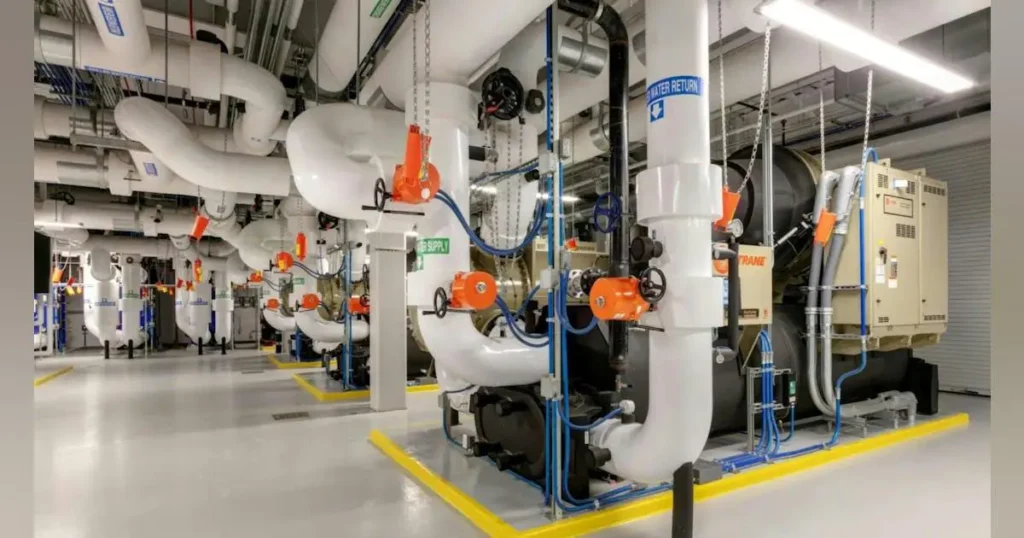
Water connects sources, facilities, infrastructure, and reuse systems. Every movement creates information about what entered, where it moved, and where it went.
- ASSETS - Pipes · Pumps · Meters · Tanks · Cooling Systems
- ACTIVITIES- Supply · Flow · Measurement · Transfer · Reuse
- INFORMATION - Source · Volume · Quality · Time · Destination
- Water / Flow / Storage / Pump
- Filter / Pretreatment / Stormwater
- Pipe / Drainage / Reuse /Report

Waste Node
Responsibility Follows.
From collection through treatment and disposition, physical waste creates a chain of events that need to remain connected.
- ASSETS - Trucks · Tanks · Treatment Systems · Disposal Sites
- ACTIVITIES- Collection · Transfer · Treatment · Acceptance · Disposition
- INFORMATION - Origin · Material · Quantity · Custody · Destination
- Waste / Treatment / Disposal
- Produced Water / Drilling / Solids
- Liquid / Sludge / Spills
Network NODES and Jurisdictions Cross
Physical Networks Don't Exist In Isolation.

Where NODES Cross
Crossover NODES
Physical networks don’t stop at industry boundaries.
OIL & GAS IS A DENSE CONCENTRATION OF INTERCONNECTED PHYSICAL NETWORKS AND JURISDICTIONAL NODES.
Water.
Waste.
Chemicals.
Crude.
Pipelines.
Rail.
Storage.
Maintenance.
Environmental events.
These physical networks constantly cross one another.
And they cross jurisdictions.
Physical networks don’t stop at industry boundaries.
One NODE can serve many markets.
One market can contain many NODES.
One NODE can serve many markets.
One market can contain many NODES.
WELL ───────── OIL & GAS
│
WATER ──────── DATA CENTERS
│ \
WASTE ─────── INDUSTRIAL
\
WATER DISTRICTS
What is missing is often the connective information, relationships and infrastructure that allow those nodes to function as a network.

Jurisdictional NODE
Where physical networks meet authority.
Geographically defined regulatory boundaries:
- Water districts
- Groundwater conservation districts
- River authorities
- Municipal jurisdictions
- Regulatory boundaries
- Reporting requirements
- Permits / Records
- Transfers between jurisdictions
Physical activity creates information. Jurisdictions give some of that information consequence.
THE NETWORK DOESN'T END HERE.
What begins as a physical load can connect to a much larger network of people, businesses, assets, communities, and information.
The physical world is already a network.
ZUN is building the connection layer.
Then, with substantial space:
WELCOME TO THE ZUNIVERSE.
The Physical World Is Already A Network
The physical world is becoming harder to manage without connected information.
The nodes are there.
The movement is there.
The information is there.
What has been missing is the connection.
ZUN.